

Children’s growth often reveals itself in small moments.
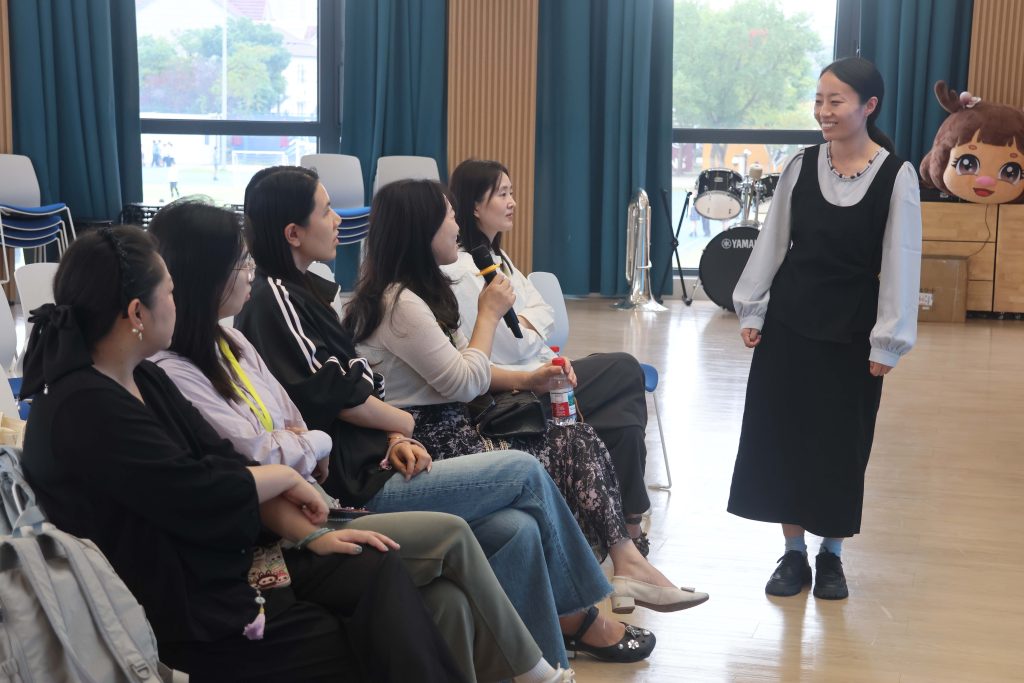
In the first two months of term, we held three parent workshops: Our First Graders, Understanding Growth, Supporting with Confidence, and Recognising the Value of Life.
Through these conversations, we are strengthening the partnership between home and school, making care a consistent part of children’s everyday lives.
Starting Primary School: Building Independence with Support
Starting Grade 1 means much more than moving to a new classroom. Children are adjusting to new routines, expectations, learning tasks and relationships. Packing their bags, remembering instructions and asking for help are all steps towards independence.
Our First Graders encouraged parents to look beyond academic progress and recognise the importance of habits, emotions and self-management.
Create routines that children can follow.
A regular study time, a tidy workspace and a simple checklist help children understand what comes next. Parents can offer guidance at first, then gradually hand over responsibility.
Make room for practice.
Forgotten belongings and untidy bags can become learning opportunities. Where the consequences are safe and manageable, let children try to resolve the problem, then discuss what might help next time.
Make encouragement specific.
“You packed your bag yourself today” or “You tried again when it was difficult” helps children recognise their effort and understand what to build on.
Parents provide the scaffolding: enough support to help children succeed, with more room to act independently as their confidence and skills develop.



Starting Middle School: Understanding Change, Staying Connected
In Grade 6, children are finding their feet in middle school. Friendships take on greater importance, alongside a growing desire for independence.
They may want to make their own decisions while still needing reassurance. These changing needs can show up in their moods, conversations and responses to parental advice.
Understanding Growth, Supporting with Confidence explored how parents can respond with both respect and guidance.
When learning becomes difficult, find out where the difficulty lies.
Is the workload overwhelming? Is getting started the hardest part? Do familiar study methods need adjusting? Working through these questions together helps children develop their own approaches.
When friendships become complicated, hear the whole story.
Listen to what happened and how your child feels before discussing communication, possible solutions and personal boundaries. Feeling heard helps keep future conversations open.
Accept emotions while setting clear boundaries.
Children need space to express anger, disappointment and frustration, alongside guidance on how to do so appropriately. Once emotions settle, it becomes easier to work through the problem together.
As children change, our ways of communicating need to evolve too. Taking their views seriously helps preserve trust and connection.


Valuing Life: Helping Children Recognise Their Worth
Alongside growing independence comes a deeper question: how do children see themselves and understand the value of their lives?
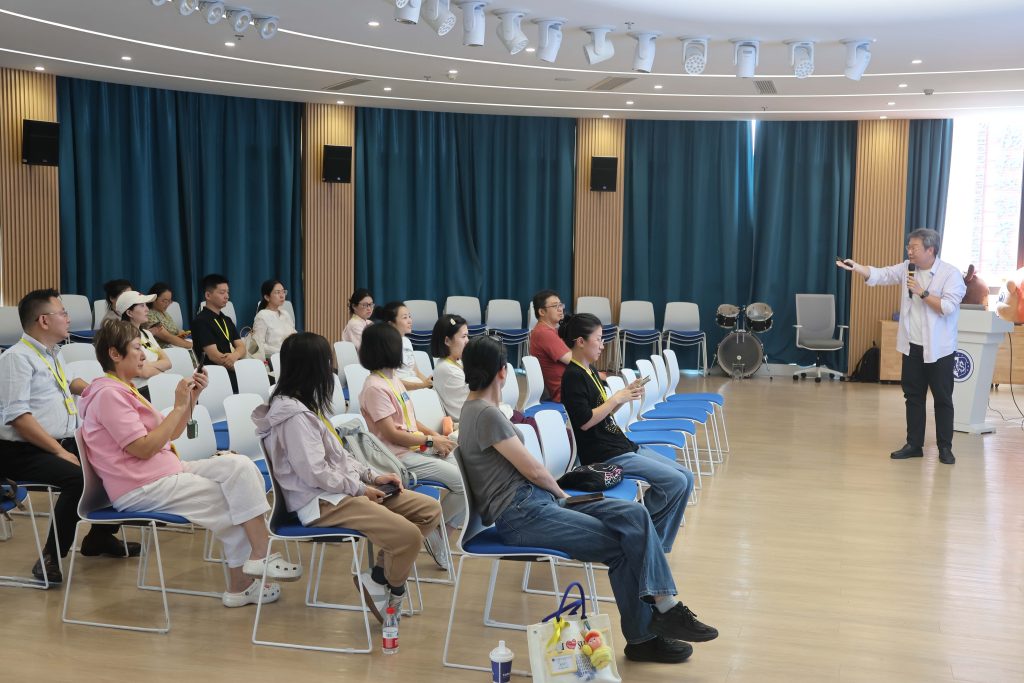
For Recognising the Value of Life, we welcomed Mr Song Liang, an experienced specialist from the Xuhui Psychological Counselling Association, to explore the role of family support.
Through case discussions, he invited parents to pay attention to children’s sense of self. Asking about their feelings, interests and concerns—and noticing efforts that may otherwise go unrecognised—can help children develop a fuller, more positive understanding of who they are.
The workshop’s “tree of life” metaphor offered a memorable perspective: grades and short-term goals are leaves that change over time; life itself is the trunk that supports them.
No single result or setback defines a child’s worth.
Everyday responses matter. A patient conversation, care that does not depend on achievement, and a willingness to work through difficulties together help children feel valued and able to ask for support.


Working Together, Keeping Care Close
The three workshops explored different aspects of growing up, with a shared purpose: helping children feel understood and supported at home and at school.
Families notice changes in daily life, while teachers see children learning, forming friendships and participating in the school community. Sharing these perspectives gives us a fuller picture of each child.
Specific observations make these conversations useful: what a child has been saying, what has changed, what has already been tried and where further support may help.
Our parent workshops create space for this exchange, bringing professional insight together with families’ everyday experiences.
At school, we also nurture character and positive peer relationships, helping children practise respect, collaboration and care—to receive support and offer it to others.
We will continue these conversations with families, keeping children’s wellbeing at the heart of our partnership as they learn to understand themselves, navigate change and grow in independence.