

In this edition of 【Shine My Way】, we invite you into the primary school music classroom, guided by our music teachers Jessica Wu, Sandesh Pawar, Ada Deng and Emily Wang. Discover how music subtly shapes children’s inner character and empowers their future competencies.
For the first live broadcast of 2026, the four primary music teachers focused on the theme “Music Teachers’ Secret Mission Sharing,” engaging parents online in a conversation about “all things music.” In just an hour, they transformed from classroom leaders into “decoders” bridging the core of art with the codes of growth. With sincerity, expertise, and inspiration, they connected with both current and prospective parents, offering a heartfelt dialogue. As the educational wisdom behind the melodies was softly unveiled, countless families gained a glimpse into how the notes echoing across the campus carry such profound and moving “secret missions.”

Ms. Jessica: Returning to the Most Beautiful Starting Point of Music in the Classroom—the Human Heart
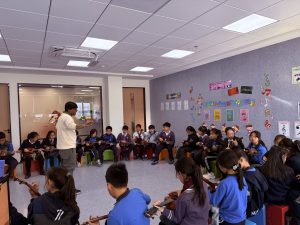
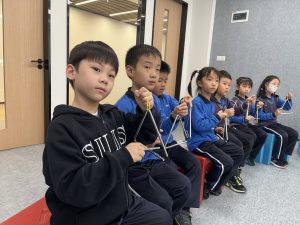
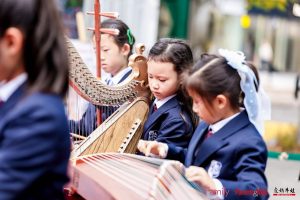
When the classroom becomes a soil that allows exploration, music sprouts in its most authentic form: clapping hands, stomping feet, reciting a nursery rhyme—all are the earliest notes. When rhythm and movement flow naturally from play, when simple instruments become extensions of the body, every child becomes a creator. Here, mistakes are gently embraced, attempts are sincerely encouraged, and ensemble triumphs over solo performance. Music is no longer an unattainable score but a tangible, dynamic, and co-creatable present.
This is the magic ignited by the Orff teaching approach in the classroom: it brings music back to the essence of humanity and transforms education into a celebration full of vitality! Thanks to this ancient wisdom, which remains as fresh as ever in the modern classroom, guiding us back to the most beautiful starting point of music—the human heart.
Mr. Sandesh: Creating a Musical Home Environment to Encourage Kids
An important topic we discussed was creating a Musical Home Environment to Encourage Kids for learning music, my suggestions are:
1.Parents start with Exposure but Not Pressure, play diverse genres as background music during meals, car rides, or quiet time
2.Give more opportunity to watch Live Music Experiences: Attend local concerts, street performances, or watch quality musical performances online.
3.Share Your Enthusiasm in music like Let children see you enjoying music – sing along, dance in the kitchen, show genuine appreciation.
4.Make Instruments Accessible at home, keep rhythm instruments (shakers, small drums, tambourines) in a dedicated “music corner”, Recorders, ukuleles, or keyboards (Piano) for older children.
5.Parents focus on Musical Play, such as family jam sessions where everyone participates at their own level, and can go out with the whole family for a K-TV activity. Let’s support your kids’ Formal Learning Without Pressure. Let them choose their instrument when ready (offer exposure to various options first). Observe your kids, which instruments he/she finds more comfortable, and allow them to make their own choice.
Let your kid explore different genres and instruments. Let’s understand, the goal isn’t to produce a prodigy, but to nurture a lifelong relationship with music where your home becomes a place where musical exploration feels natural, enjoyable, and intrinsically rewarding.
Ms. Ada: Cultivating Beauty Through Music, Nourishing the Heart with Beauty
Is the true essence of music education merely teaching children to sing and read sheet music?
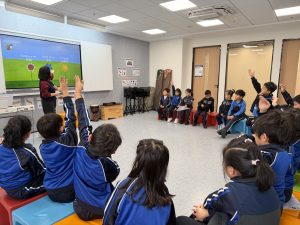
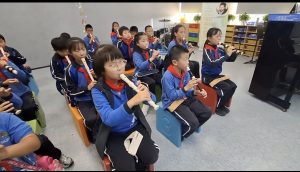
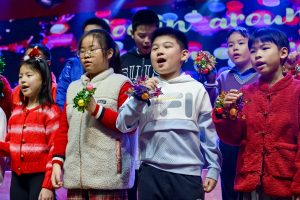
The answer clearly goes beyond that. The music classroom should be fertile ground for aesthetic enlightenment, not just a training ground for skills. By introducing diverse musical styles and appreciating classical masterpieces, we broaden children’s horizons through cross-cultural auditory experiences. Moreover, we encourage them to create their own rhythms, helping them understand the beauty of harmony, the charm of liveliness, and the sense of power through listening, experiencing, and creating—awakening their innate aesthetic perception.
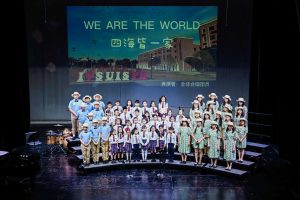
Music also serves as a bridge for emotions and collaboration. The collaboration in ensemble performances and the listening and embracing within teams teach children empathy and cooperation through melody, quietly nurturing them into respectful and collaborative individuals.
We firmly believe that the ultimate purpose of music education is to gift children growth imbued with aesthetic appreciation, warmth, and broad perspectives—allowing every life to shine with unique brilliance in the sound of music!
Ms. Emily: AI Empowers Primary Music Education
Introducing AI into primary music education is not about replacing teacher-student interactions with pure technology. Instead, it serves as a powerful “super assistant,” “creative partner,” and “personalized tutor,” injecting new vitality into traditional classrooms and realizing the beautiful vision of “teaching students according to their aptitude.” By analyzing students’ singing or playing in real time, AI can assess pitch, rhythm, and tempo, providing objective feedback such as “which measure’s rhythm is too fast” or “which note is slightly sharp.”
AI-driven rhythm games, pitch recognition challenges, and auditory training exercises turn tedious practice into engaging quests, greatly boosting younger children’s interest. Additionally, with AI music generation tools, children can select styles (such as “cheerful” or “mysterious”), moods, or input a few notes, and AI will generate a complete accompaniment or melody. This allows every child to instantly experience the satisfaction of “composing” and gain an understanding of musical structure.
In summary, the optimal role of AI in primary music education is to act as a powerful “empower”—empowering teachers to teach more precisely and creatively, empowering students to learn more personally and joyfully, and ultimately empowering music itself. This ensures that every child can find their own unique way to connect with music, cultivating a well-rounded personality capable of appreciating beauty, expressing emotions, and creating joy through music.
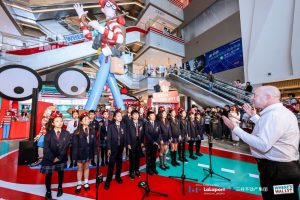
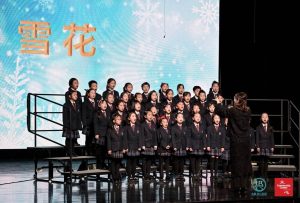
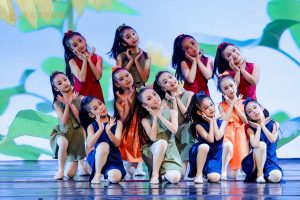
We firmly believe that when the school’s professional dedication resonates with the warm understanding of families, the seeds of music sown in children’s hearts will eventually take root, grow, and bloom into brilliance beyond imagination. Though this conversation about music has come to a temporary pause, our shared exploration of how art can nurture life and illuminate the future will continue for a long time to come. Let us join hands and continue to accompany our children as they encounter a more beautiful and empowered version of themselves through the music!